
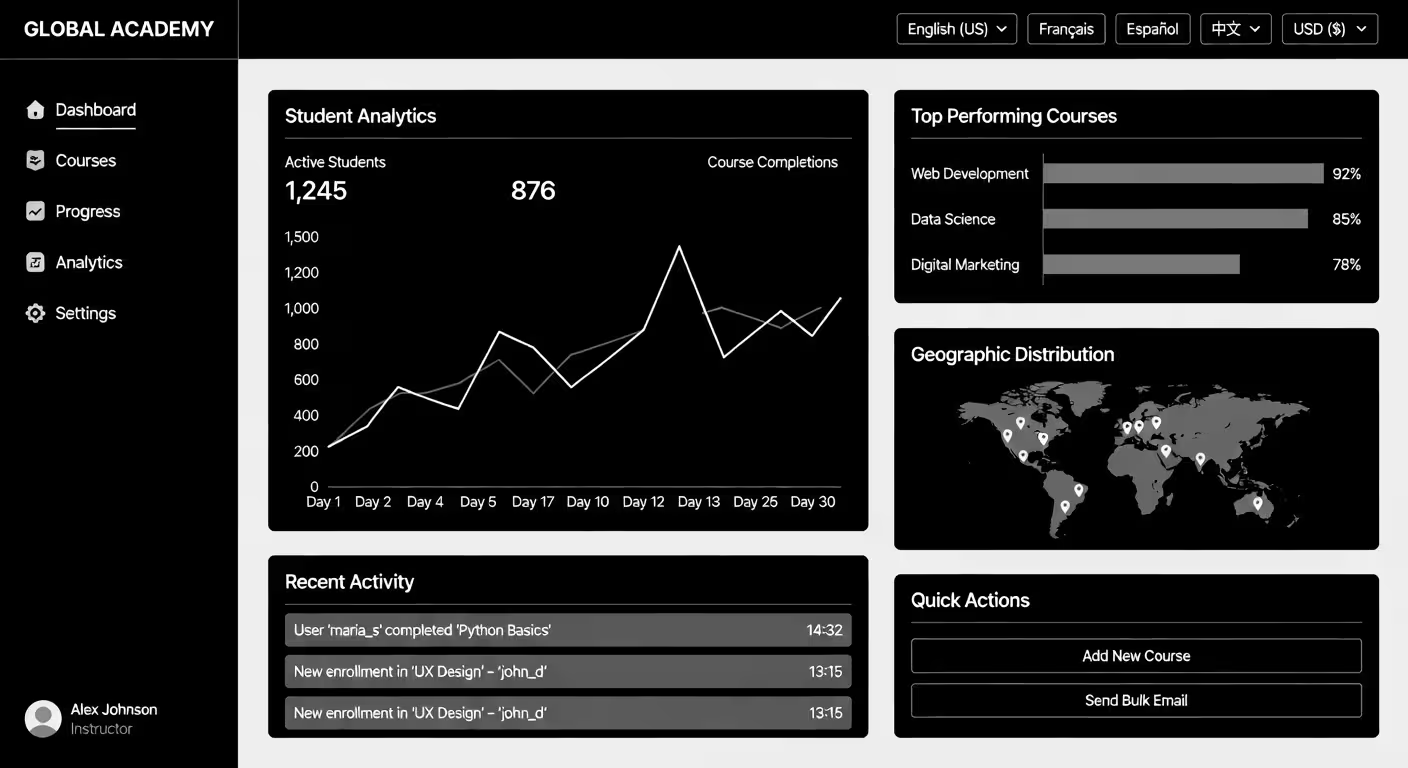
Podle Statista, globální trh online vzdělávání by měl do roku 2025 dosáhnout $166,60 miliardy dolarů, přičemž průměrný příjem na uživatele stabilně roste ve všech regionech. Za tímto růstem však stojí nespočet zakladatelů, kteří se snaží rozšířit své podnikání z jednoho informačního produktu na plnohodnotnou mezinárodní akademii. Realita? Většina neuspěje, protože expanzi považují za projekt překladu místo transformace obchodního modelu. Tento článek popisuje technické, strategické a provozní změny potřebné k přeměně kurzu na globální instituci – založené na tom, co skutečně funguje, nikoli na tom, co tvrdí marketingové případové studie.
Přechod od prodeje samostatných kurzů k provozování akademie vyžaduje přehodnocení všeho, od infrastruktury po ceny. Zatímco jeden produkt může na platformách jako Gumroad nebo Teachable uspět s minimálním nastavením, akademie vyžaduje modulární architekturu, regionální dodržování předpisů a průběžnou správu komunity. Podle TechCrunch, se v roce 2024 zintenzivnila kontrola ze strany regulačních orgánů, neboť v odvětví vzdělávání v EU hrozí platformám za porušení GDPR pokuty až do výše 20 milionů eur. To nejsou okrajové případy - jsou to základní otázky, které rozhodují o tom, zda vaše expanze bude úspěšná, nebo vás bude stát šestimístné částky za právní očistu.
Proč se většina informačních produktů nemůže škálovat mezinárodně
Problém začíná způsobem, jakým jsou info-produkty vytvářeny. Jediný kurz optimalizovaný pro jeden trh – obvykle anglicky mluvící, zaměřený na USA – spoléhá na předpoklady, které v mezinárodním měřítku selhávají. Platební systémy předpokládají, že každý má Visu nebo Mastercard (nemá). Obsah spoléhá na kulturní kontext, který se nepřekládá (nepřeloží se). Analytika platformy sjednocuje všechny uživatele a skrývá regionální problémy s výkonem, dokud není příliš pozdě.
Podle Průvodce platebními metodami Stripe pro rok 2024, Přidání místních platebních metod zvyšuje konverzní poměr v průměru o 7,4%., přičemž na některých trzích, jako je Brazílie a Indonésie, dochází k nárůstu nad 20%, pokud jsou k dispozici možnosti jako Pix nebo GoPay. Přesto se většina tvůrců kurzů drží výchozího nastavení Stripe a nechává peníze na stole, protože si neuvědomují, že jejich pokladna je regionálně uzamčena podle platebních preferencí.

Kromě plateb se samotný technologický stack stává překážkou. Platformy jako Kajabi nebo Thinkific fungují dobře pro několik stovek studentů v jedné zemi, ale nebyly navrženy pro synchronizace dat napříč regiony, doručování obsahu založené na CDN, nebo dynamické ceny podle zeměpisné oblasti. Když oslovíte tisíce studentů v Evropě, Asii a Latinské Americe, doba načítání stránek se prodlouží, přehrávání videa se zpozdí a míra dokončení klesne – ne proto, že by váš obsah byl špatný, ale proto, že vaše infrastruktura nezvládne distribuovaný provoz.
Obchodní model problém násobí. Informační produkty prosperují z jednorázových prodejů a doplňkových prodejů. Akademie závisí na udržení předplatitelů, certifikační cesty a zapojení komunity. Podle výzkumu eMarketer, subscription-based online education models have 65% higher lifetime value than one-time course sales, but they also require 3x more support infrastructure to maintain. You’re not just selling access—you’re running an ongoing service with expectations around updates, instructor interaction, and credential legitimacy.
Modulární architektura kurzu, kterou skutečně potřebujete
Úspěšné mezinárodní akademie jsou postaveny na modulární struktury kurzů které oddělují klíčový obsah od lokalizačních vrstev. To znamená navrhovat kurzy z opakovaně použitelných bloků — lekcí, hodnocení, zdrojů — které lze přizpůsobit bez nutnosti přestavby od začátku. Namísto vytváření samostatné entity “Marketing 101 pro Španělsko” udržujete jeden hlavní kurz s regionálně specifickými překryvy pro příklady, případové studie a kulturní odkazy.
Z technického hlediska to vyžaduje bezhlavá architektura LMS kde obsah sídlí ve strukturovaném úložišti (jako je Contentful nebo Strapi) a je doručován prostřednictvím API různým frontendům. Tento přístup umožňuje podávat stejnou lekci v angličtině, španělštině a portugalštině bez duplikování celých kurzů. Umožňuje také dynamické vkládání obsahu – nahrazování marketingových příkladů založených na USA evropskými na základě polohy uživatele nebo úpravu modulů dodržování předpisů tak, aby odpovídaly regionálním předpisům.
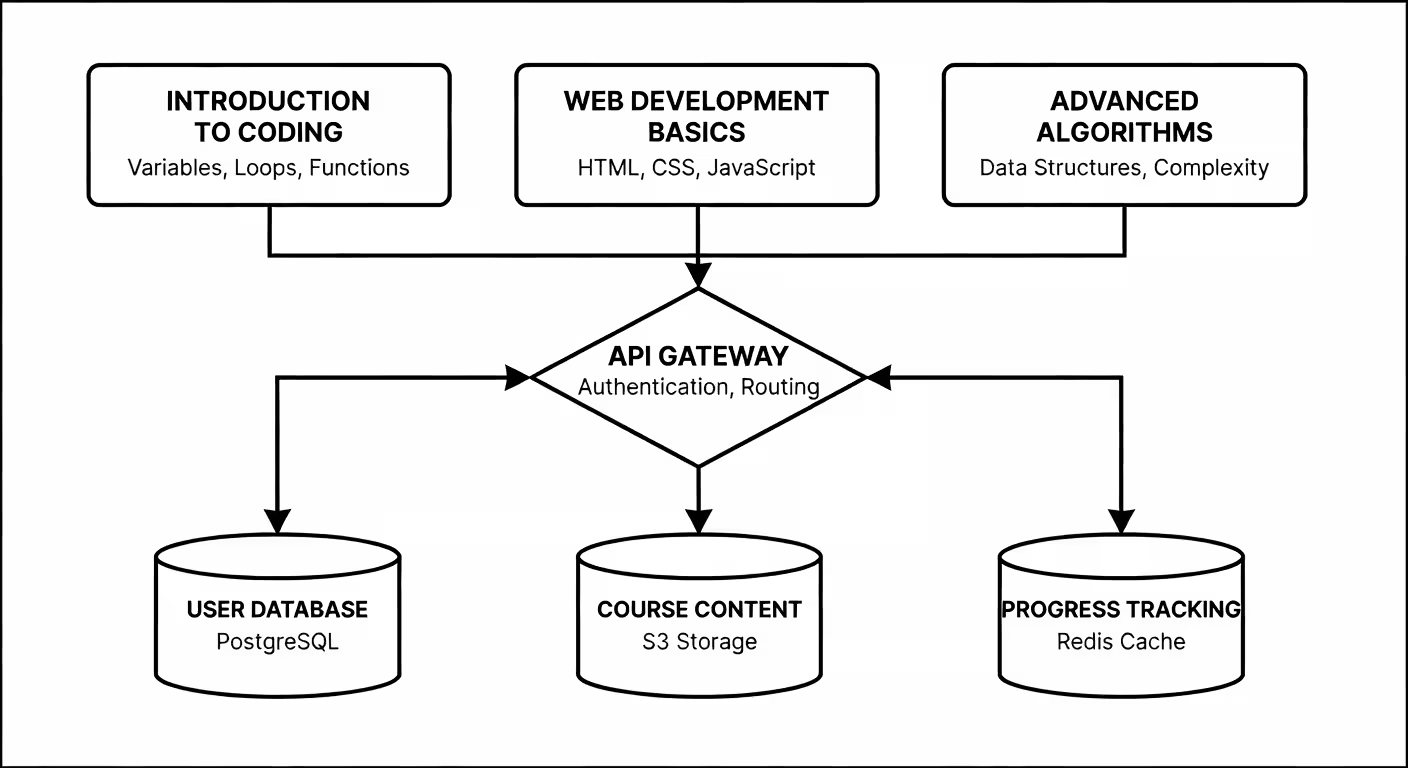
Skutečná výhoda se projeví při údržbě. Při aktualizaci lekce se změna automaticky rozšíří do všech lokalizovaných verzí. Podle interních měření akademií, se kterými jsme pracovali, modulární systémy snižují čas aktualizace obsahu o 60-70 %% ve srovnání s duplicitními strukturami kurzů. Tato efektivita se násobí, když spravujete desítky kurzů na více trzích – je to rozdíl mezi udržitelným provozem a noční můrou s obsahem, která vyžaduje neustálé ruční opravy.
Pro implementaci, nástroje jako Transifex integrujte se s úložištěm obsahu a spravujte překlady kolaborativně, sledujte změny a udržujte konzistenci napříč jazyky. To předčí běžný přístup exportování kurzů do tabulek, jejich odesílání překladatelům a ruční opětovné importování – proces náchylný k chybám a konfliktům verzí. Pokud to se škálováním myslíte vážně, investujte od prvního dne do správných nástrojů pro lokalizační pracovní postupy, ne poté, co se vaše struktura obsahu stane neovladatelnou.
Navigace v mezinárodních vzdělávacích předpisech
Regulatorní shoda je to, kde většina expanzí naráží na nečekané překážky. Zákony o ochraně osobních údajů, jako je GDPR v Evropě, vyžadují pro sběr dat o studentech výslovný souhlas., oddělené úložiště pro uživatele z EU a možnost na vyžádání smazat všechna uživatelská data. Podle Evropská komise, pokuty podle GDPR dosáhly do roku 2024 kumulativně 2,92 miliardy eur, přičemž vzdělávací platformy patří mezi časté porušovatele za nedostatečné nakládání s údaji. Váš obecný systém LMS si s tím pravděpodobně neporadí hned po vybalení z krabice - budete potřebovat vlastní vývoj nebo platformu, která je od začátku postavena na dodržování předpisů.
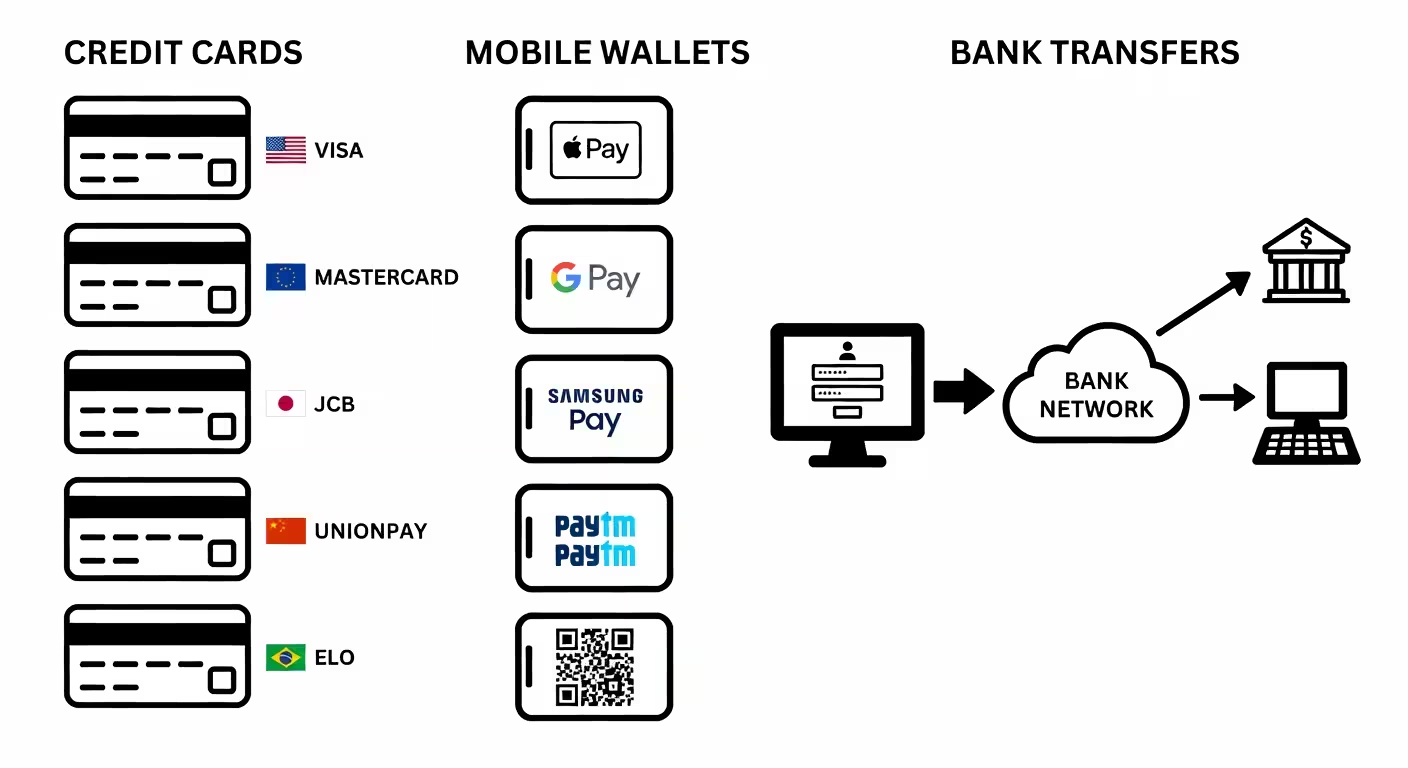
Kromě soukromí se požadavky na certifikaci a akreditaci divoce liší. V Německu musí programy odborného vzdělávání splňovat specifické standardy, aby je zaměstnavatelé uznali. V Brazílii musí online kurzy nabízející certifikáty projít registrací u Ministerstva školství pro určité profesní obory. V Číně zahraniční vzdělávací obsah podléhá kontrole obsahu a omezením platforem. Nejsou to návrhy – jsou to zákonné požadavky, které mohou vést k pokutám, uzavření platforem nebo nemožnosti působit na daných trzích.
Praktický přístup: začněte s auditem souladu s předpisy pro vaše cílové trhy. Zjistěte, které předpisy se vztahují na váš typ kurzu (profesní rozvoj versus koníčkové učení znamená rozdíl), jaké zpracování dat je vyžadováno a zda budou vaše certifikace uznány místně. Pro většinu akademií to znamená spolupráci s místními právními zástupci na každém hlavním trhu – ano, stojí to peníze, obvykle$5 000– $15 000 na zemi za počáteční revizi, ale je to levnější než dodatečné úpravy celé platformy po spuštění nebo řešení regulatorních pokut.
Z technické stránky, nástroje jako OneTrust pomáhat spravovat pracovní postupy souhlasu a žádosti subjektů údajů napříč regiony. Pro platformy, které spravují tisíce studentů, je automatizované monitorování dodržování předpisů nezbytné — manuální sledování nepostačuje, když zpracováváte data napříč GDPR (EU), LGPD (Brazílie), CCPA (Kalifornie) a dalšími rámcovými předpisy současně. Počítejte s náklady na průběžné dodržování předpisů, nejen na jednorázové nastavení, protože předpisy se vyvíjejí a vaše akademie musí držet krok.
Cenové a platební strategie, které fungují globálně
Modelové příjmy se dramaticky mění při přechodu od informačních produktů k akademiím. Jednorázový kurz $za 997 dolarů funguje v USA dobře, ale na trzích, kde je průměrný měsíční příjem $nižší než 500 dolarů, selhává. Úspěšné mezinárodní akademie využívají dynamické ceny založené na paritě kupní síly (PPP)., úpravou sazeb podle regionu při zachování vnímané hodnoty. Podle Výzkum společnosti McKinsey, akademie využívající ceny PPP zaznamenávají 35–50% vyšší míru zápisu na rozvíjejících se trzích, aniž by kanibalizovaly příjmy z regionů s vysokými příjmy.
Implementace vyžaduje více než jen změnu ceny. Potřebujete geo-detekce k automatickému nastavení vhodné ceny, zobrazení místní měny, aby se předešlo nejasnostem při převodu, a regionální platební metody odpovídající preferencím uživatelů. V Brazílii dominuje Pix. V Německu jsou běžné bankovní převody a SEPA inkaso. V Indii jsou nezbytné UPI a mobilní peněženky jako Paytm. Akceptování pouze kreditních karet na těchto trzích znamená ztrátu 30–60% potenciálních zákazníků, kteří jednoduše nedokončí nákup, protože jejich preferovaná platební metoda není k dispozici.
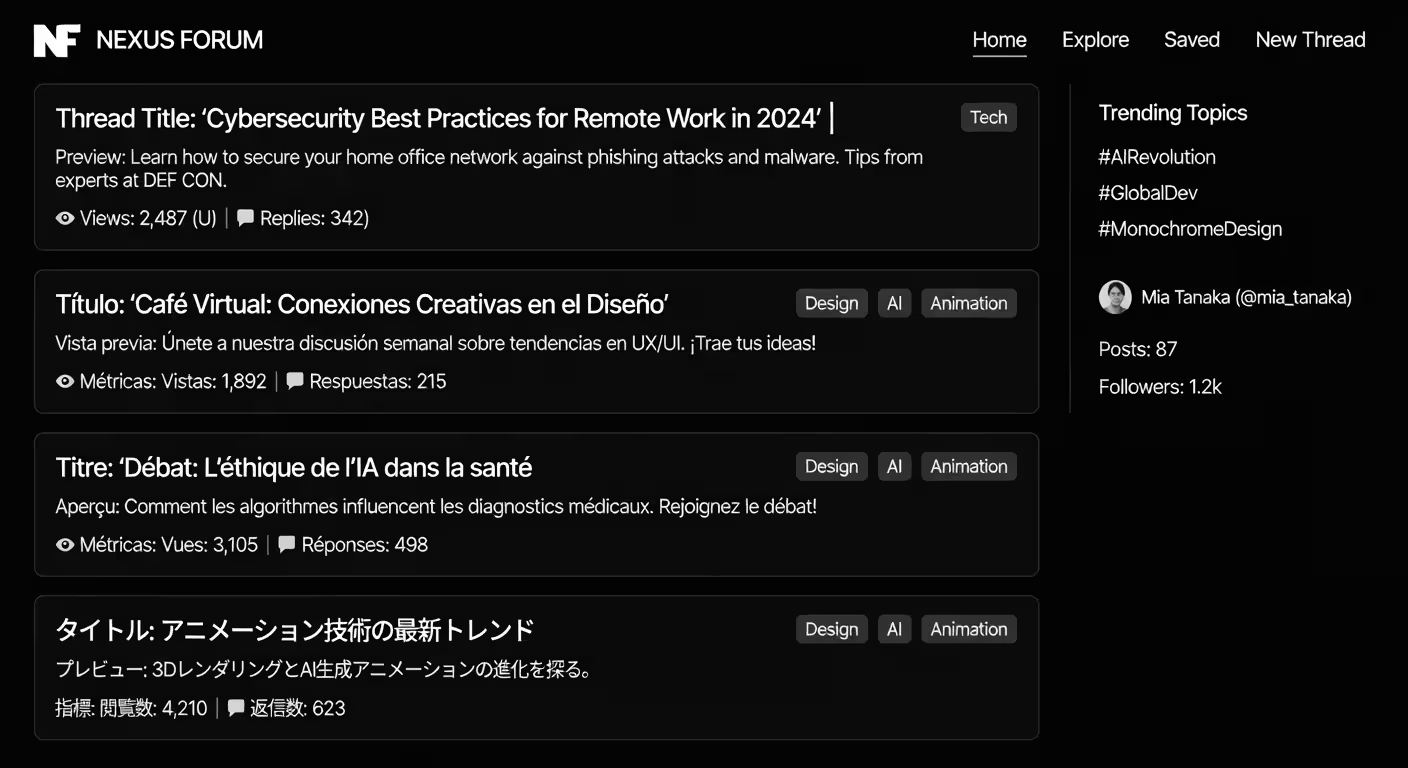
U předplatitelských modelů konkrétně zvažte stupňovaný přístup, který odpovídá očekáváním místního trhu. Měsíční předplatné včetně živých relací může fungovat v Severní Americe, ale trhy s nižší šířkou pásma preferují úrovně pouze na vyžádání za snížené ceny. Podle Analýza společnosti RevenueCat z roku 2024, nabídka 3-4 cenových úrovní namísto jediné možnosti zvyšuje celkové příjmy o 22% na mezinárodních trzích zachycením různých segmentů zákazníků, kteří si cení různých funkcí.
Z technického hlediska platformy jako Pádlo zvládněte předplatné ve více měnách, výpočet DPH/daní a místní platební metody v jedné integraci, což je lepší než spojovat Stripe s několika regionálními procesory. Pro akademie, které to myslí s globálním rozsahem vážně, často stojí placení 5-7 %% poplatků poskytovateli merchant of record, jako je Paddle, méně než řešení dodržování předpisů, odvádění daní a platebních integrací sami ve více než 20 zemích. Kompromisem je kontrola versus provozní jednoduchost – vyberte si podle toho, zda máte tým schopný řídit mezinárodní platby, nebo potřebujete hotové řešení.
Modulární struktura obsahu
Vytvářejte kurzy jako opakovaně použitelné bloky, které oddělují hlavní lekce od regionálních překryvů. To vám umožní spravovat jeden hlavní kurz a zároveň poskytovat lokalizované verze, čímž se zkrátí doba aktualizace o 60–70% ve srovnání s duplikovanými strukturami. Použijte bezhlavou architekturu LMS k doručování obsahu prostřednictvím rozhraní API do různých frontendů.
Dodržování předpisů
Začněte s auditem shody pro cílové trhy, určením požadavků na zpracování dat a uznáním certifikace. Rozpočet $5 000-$15 000 na zemi na počáteční právní přezkum. Využijte nástroje, jako je OneTrust, k automatické správě pracovních postupů pro souhlasy a žádosti o údaje v rámci GDPR, LGPD, CCPA a dalších rámců.
Dynamická cenová strategie
Implementujte cenovou paritu kupní síly k úpravě kurzů podle regionu, čímž se zvýší počet zápisů na rozvíjejících se trzích o 35–50z kanibalizace regionů s vysokými příjmy. Přidejte místní platební metody – Pix v Brazílii, UPI v Indii, SEPA v Německu – abyste získali uživatele, kteří nekonvertují pouze s kreditními kartami, a zvýšte konverze až o 60%.
Komunitní infrastruktura
Vybudujte lokalizovaná fóra a mentorské programy pro zvýšení retence, čímž proměníte pasivní studenty v propagátory. Využijte regionálně specifické moderátory, kteří rozumí kulturnímu kontextu a časovým pásmům. Podle benchmarků akademie zvyšují silné komunitní funkce dokončení kurzu o 40-55% a podporují doporučená zápisy bez dodatečných výdajů na reklamu.
Budování komunity, která se rozšiřuje přes hranice
Přechod od kurzu k akademii vyžaduje skutečnou komunitní infrastrukturu, nejen skupinu na Facebooku. Úspěšné mezinárodní akademie využívají lokalizovaná fóra, mentorské programy specifické pro daný region a živá setkání přizpůsobená časovým zónám. pro udržení zapojení napříč geografickými oblastmi. Podle Výzkum Higher Logic, online komunity s aktivní moderací a místním vedením zaznamenávají 55% vyšší návratnost členů ve srovnání s obecnými, centralizovanými fóry.
Implementace vyžaduje víc než jen překlad. Potřebuješ regionální moderátoři, kteří rozumí kulturním zvyklostem a dokážou moderovat diskuse v místních jazycích. Vtip, který funguje v Kalifornii, může v Singapuru urazit. Obchodní příklady relevantní v Německu rezonují v Mexiku. Komunitní manažeři potřebují autonomii přizpůsobit obsah a styly moderování svým regionům a zároveň zachovat celkovou konzistenci značky. Pro akademie s více než 5 000 studenty na několika kontinentech to obvykle znamená najmout 3–5 regionálních komunitních lídrů, nikoli se snažit vše spravovat z centrály.
Z technického hlediska platformy jako Rozprava nabídněte komunitní fóra s vlastní hostovanou verzí a podporou více jazyků, moderátorskými nástroji a integrací API s vaším LMS. To je lepší než používat obecné platformy jako Facebook nebo Slack, které vám neposkytují kontrolu nad daty, omezují možnosti přizpůsobení a vytvářejí riziko platformy (jedna změna algoritmu a vaše angažovanost komunity klesne o 50%). Vlastnictví vaší komunitní infrastruktury znamená, že máte kontrolu nad zážitkem a můžete jej integrovat přímo s postupem v kurzu, certifikacemi a profily studentů..
U mentorství specificky strukturujte programy tak, aby zohledňovaly regionální pracovní dobu a lokální průmyslové kontexty. Pokud vyučujete digitální marketing, spojte studenty s mentory, kteří rozumí jejich specifickému trhu – strategie pro reklamy na Facebooku v USA se nepřenesou na WeChat v Číně nebo WhatsApp v Brazílii. Podle interních dat z akademií, se kterými jsme spolupracovali, lokalizované mentorství zvyšuje míru dokončení o 40-50% oproti obecným globálním mentorům, protože studenti dostávají praktické rady relevantní pro jejich kontext, nikoli obecnou teorii, která se neaplikuje.
Infrastruktura, která skutečně zvládá globální provoz
Technická realita: většina kurzových platforem není postavena pro mezinárodní škálování. Doba načítání stránky nad 3 sekundy koreluje se 40-50% vyšší mírou okamžitého opuštění, podle Výzkum Core Web Vitals od Googlu. Pokud vaši studenti v jihovýchodní Asii čekají 8 sekund na načtení videí, zatímco studenti v USA se načítají okamžitě, máte problém se zapojením publika maskovaný jako problém s obsahem. Řešením nejsou lepší kurzy – je to lepší infrastruktura.
To znamená implementovat Síť pro doručování obsahu (CDN) s regionálními okrajovými uzly pro doručování videa a statických aktiv ze serverů bližších studentům. Služby jako Cloudflare nebo AWS CloudFront ukládají obsah do mezipaměti globálně, čímž zkracují dobu načítání ze sekund na milisekundy. Konkrétně pro video platformy jako Mux Poskytuje adaptivní streamování, které upravuje kvalitu podle šířky pásma a zajišťuje, že studenti s pomalejším připojením na rozvíjejících se trzích mohou sledovat lekce bez pufrování každých 10 sekund.
Na architektuře databáze záleží více v měřítku. Pokud váš systém LMS ukládá všechna data studentů na jediném serveru v USA, dotazy z Evropy nebo Asie zvyšují latenci každé interakce - načítání ovládacích panelů, označování dokončených lekcí, psaní příspěvků na fórech. Regionální databázové repliky s horizontálním navýšením kapacity pro čtení řešení tohoto problému tím, že se dotazy obsluhují z lokálních serverů a zároveň se zápisy synchronizují do master databáze. Toto je standardní praxe pro SaaS společnosti obsluhující miliony uživatelů, ale většina LMS platforem ji nenabízí hned po nainstalování – budete potřebovat zakázkový vývoj nebo platformu postavenou od začátku pro globální provoz.
Pro monitorování, nástroje jako Datadog nebo New Relic sledovat výkon podle regionů, což vám umožní identifikovat problémy dříve, než ovlivní udržení zákazníků. Pokud míra dokončení klesne v konkrétní zemi, můžete ji korelovat s metrikami infrastruktury a zjistit, zda se zpozdily načítací časy stránek nebo selhalo doručování videa. Proaktivní monitorování předchází běžnému vzorci, kdy akademie obviňují z technických problémů kvalitu obsahu.—studenti nejsou nezaujatí, jsou frustrovaní platformou, která v jejich regionu nefunguje hladce.
Vyhýbání se chybám, které ničí rozšíření
Nejdražší chyba: považovat lokalizaci za překlad. Přímý překlad bez kulturní adaptace vede k nárůstu míry vrácení zboží o 30-40% na nových trzích, podle údajů z akademií, se kterými jsme spolupracovali. Americká idiomatická spojení se nepřekládají. Obchodní případové studie ze Silicon Valley v Latinské Americe nerezonují. Příklady kurzů s americkými společnostmi nemají pro studenty v Asii žádný význam. Potřebujete regionální tvůrce obsahu, kteří rozumí místnímu kontextu, nejen překladatele slov.
Další časté selhání: příliš rychlá expanze bez ověření poptávky. Uvedení na trh ve více zemích najednou spálí peníze na trzích, které se nekonvertují.. Chytřejší přístup: vyberte si jeden nový trh, ověřte shodu produktu s trhem, zdokonalte proces lokalizace a poté se systematicky rozšiřujte. Použijte SimilarWeb analyzovat návštěvnost konkurentů podle zemí a zjistit, na kterých trzích existuje poptávka po tématu kurzu, než věnujete prostředky na lokalizaci.
Z technologického hlediska způsobuje uzamčení platformy problémy, když potřebujete funkce, které váš LMS nepodporuje. Spoléhání se na Teachable nebo Kajabi bez vlastních integrací vytváří datová sila, což z mezinárodního reportingu dělá manuální noční můru. Nemůžete snadno segmentovat výkon podle regionu, sledovat míru dokončení podle jazyka nebo analyzovat efektivitu cen podle země, pokud jsou vaše data roztříštěná napříč systémy. To se časem sčítá – co funguje pro 500 studentů na jednom trhu, stává se neřešitelným pro 5 000 studentů v pěti zemích.
Nakonec omezení rozmanitosti instruktorů brzdí růst. Akademie obsazené výhradně instruktory z jednoho regionu odcizují mezinárodní studenty. Pokud jsou všichni vaši učitelé Američané, studenti v Evropě nebo Asii vnímají obsah jako méně relevantní pro svůj kontext, i když je látka technicky správná. Podle analýzy udržení informací, akademie s regionálně rozmanitými instruktory zaznamenávají o 25-35 %% nižší odliv protože studenti se lépe ztotožňují s učiteli, kteří rozumí jejich tržním podmínkám, regulacím a podnikatelskému prostředí. Další informace o tom, jak k mezinárodní expanzi přistupují různá odvětví, naleznete v naší analýze strategie e-commerce pro krásu a kosmetiku.
Klíčové citované zdroje
- Projekce globálního trhu online vzdělávání. Statista, E-servisní trh – Výhled (aktualizováno leden 2025). Statista
- Vliv platebních metod na míru konverze. Stripe, Průvodce globálními platebními metodami (vydání 2024). Proužek
- Analýza celoživotní hodnoty předplatného. eMarketer, Zpráva o trendech online vzdělávání (2024). Interní zpravodajství
- Vymáhání GDPR a pokuty. Evropská komise, sledování pokut a sankcí GDPR. GDPR.eu
- Cenová efektivita parity kupní síly. McKinsey & Company, Jak škálovat online vzdělávání (2024). McKinsey
- Vliv víceúrovňového oceňování na tržby. RevenueCat, Globální strategie pro ceny předplatného (2024). RevenueCat
- Metriky udržení online komunity. Higher Logic, Společenská hodnota online komunit, výzkum. Vyšší logika
- Časy načítání stránky a míra okamžitého opuštění. Google, dokumentace Core Web Vitals. Google pro vývojáře
Jaký je hlavní rozdíl mezi prodejem informačního produktu a provozováním mezinárodní akademie?
Jaký je hlavní rozdíl mezi prodejem informačního produktu a provozováním mezinárodní akademie?
Informační produkty se spoléhají na jednorázový prodej a minimální průběžnou infrastrukturu – vytvoříte je jednou a prodáváte. Akademie vyžadují správu předplatného, komunitní infrastrukturu, regionální soulad, aktualizace lokalizovaného obsahu a podpůrné systémy napříč více časovými pásmy. Obchodní model se posouvá od transakčního k relačnímu, s průběžnými náklady na moderování, aktualizace obsahu a programy úspěchu studentů.
Potřebuji pro různé země samostatné platformy?
Potřebuji pro různé země samostatné platformy?
Ne, ale potřebujete jednu platformu navrženou pro provoz ve více regionech. Použijte architekturu headless LMS, kde obsah žije v centrálním úložišti a je dodáván prostřednictvím API s regionálními překryvy pro ceny, platební metody a lokalizované příklady. Samostatné platformy vytvářejí datová sila a exponenciálně zvyšují složitost údržby. Klíčem je modulární design v rámci jednotného systému, nikoli duplikace.
Jak nastavit ceny pro různé země, abyste nevypadali nespravedlivě?
Jak nastavit ceny pro různé země, abyste nevypadali nespravedlivě?
Použijte ceny založené na paritě kupní síly (PPP) s ohledem na místní ekonomické podmínky, ale buďte transparentní. Vysvětlete, že ceny odrážejí regionální tržní realitu, stejně jako Netflix a Spotify. Implementujte geografickou detekci pro automatické podávání odpovídajících cen a zabraňte arbitráži ověřením fakturačních adres. Studenti rozumějí regionálním cenám, pokud jim vysvětlíte zdůvodnění – nepřijatelné je pro ně pouze pocit, že jsou předraženi vzhledem ke svému lokálnímu trhu.
Jaké jsou nejdůležitější problémy dodržování předpisů pro online akademie?
Jaké jsou nejdůležitější problémy dodržování předpisů pro online akademie?
Ochrana osobních údajů (GDPR v EU, LGPD v Brazílii, CCPA v Kalifornii) je velmi důležitá - potřebujete správný tok souhlasů, možnost mazání dat a regionální ukládání dat. Uznávání certifikací je důležité, pokud vydáváte pověření; některé země vyžadují specifické akreditace pro profesní certifikace. Dodržování daňových předpisů pro digitální služby se v jednotlivých zemích liší, přičemž prahové hodnoty, jako je DPH OSS v EU, vyžadují registraci, jakmile dosáhnete určité výše příjmů. Rozpočet na právní přezkum na každém cílovém trhu.
Mám si kurzy překládat sám, nebo si najmout profesionály?
Mám si kurzy překládat sám, nebo si najmout profesionály?
Najměte profesionály, kteří rozumí vašemu oboru, nejen jazyku. Generičtí překladatelé opomíjejí technické nuance a kulturní kontext. Spolupracujte s odborníky na danou problematiku, kteří plynule hovoří cílovým jazykem a dokáží přizpůsobit příklady, případové studie a reference místním trhům. Používejte nástroje pro správu překladů, jako je Transifex, k udržení konzistence napříč aktualizacemi. Strojový překlad je vhodný pro úvodní návrhy, ale vyžaduje odbornou revizi – AI překlady selhávají v nuancovaných tématech, jako je obchodní strategie nebo technické vzdělávání.
 Czech
Czech  English
  Spanish
  French
  Portuguese
  Italian
  German
  Japanese
  Moroccan Arabic
  Greek
Greek  Estonian
  Norwegian
  Icelandic
  Romanian